
VINYL MASTERING SERVICES
In an era dominated by streaming, vinyl has made a powerful comeback—not just as a nostalgic collector's item, but as a legitimate, high-fidelity listening format. But unlike digital distribution, vinyl requires a unique approach to mastering that ensures your music translates well to wax. If you're planning a vinyl release, vinyl mastering isn’t just recommended—it’s essential.
L.A.-based Rob Kleiner is an in-demand mastering engineer and has mastered vinyl releases for the biggest studio releases, including many soundtrack releases every year and Dolby Atmos mastering services, working closely with composers and performers to dial in on the the sound they’re looking for.
Driven by a passion for indie projects, Rob Kleiner and Studio Edison can make your vinyl release truly sing.
Let’s Talk About Your Vinyl Mastering Project
All messages responded to within 24 hours
Studio Edison Keeps Good Company
-
![Andra Day, Cheers to the Fall]()
Andra Day
-
![Madison Beer, Dead]()
Madison Beer
-
![Labrinth, Ends & Beginnings]()
Labrinth
-
![Weston Estate, Superbloom]()
Weston Estate
-
![Sia, Elastic Heart]()
Sia
-
![Avatar Soundtrack, The Weeknd]()
The Weeknd
-
![Pink Sweat$, Through the Fire]()
Pink Sweat$
-
![David Guetta, Titanium]()
David Guetta (feat. Sia)
-
![Chrissy, Arm Cnady]()
Chrissy








what Is Vinyl MasteRing?
Vinyl mastering is the specialized process of preparing audio for transfer to vinyl records. It involves EQ adjustments, dynamic control, and physical format considerations to ensure the grooves on a record can be cut and played back cleanly and accurately on a turntable.
While it shares some fundamentals with standard audio mastering, vinyl mastering has to account for the physical limitations of the medium—and optimize the audio for a very different kind of playback experience.
LEARN THE 10 ESSENTIAL VINYL MASTERING TERMS YOU NEED TO KNOW
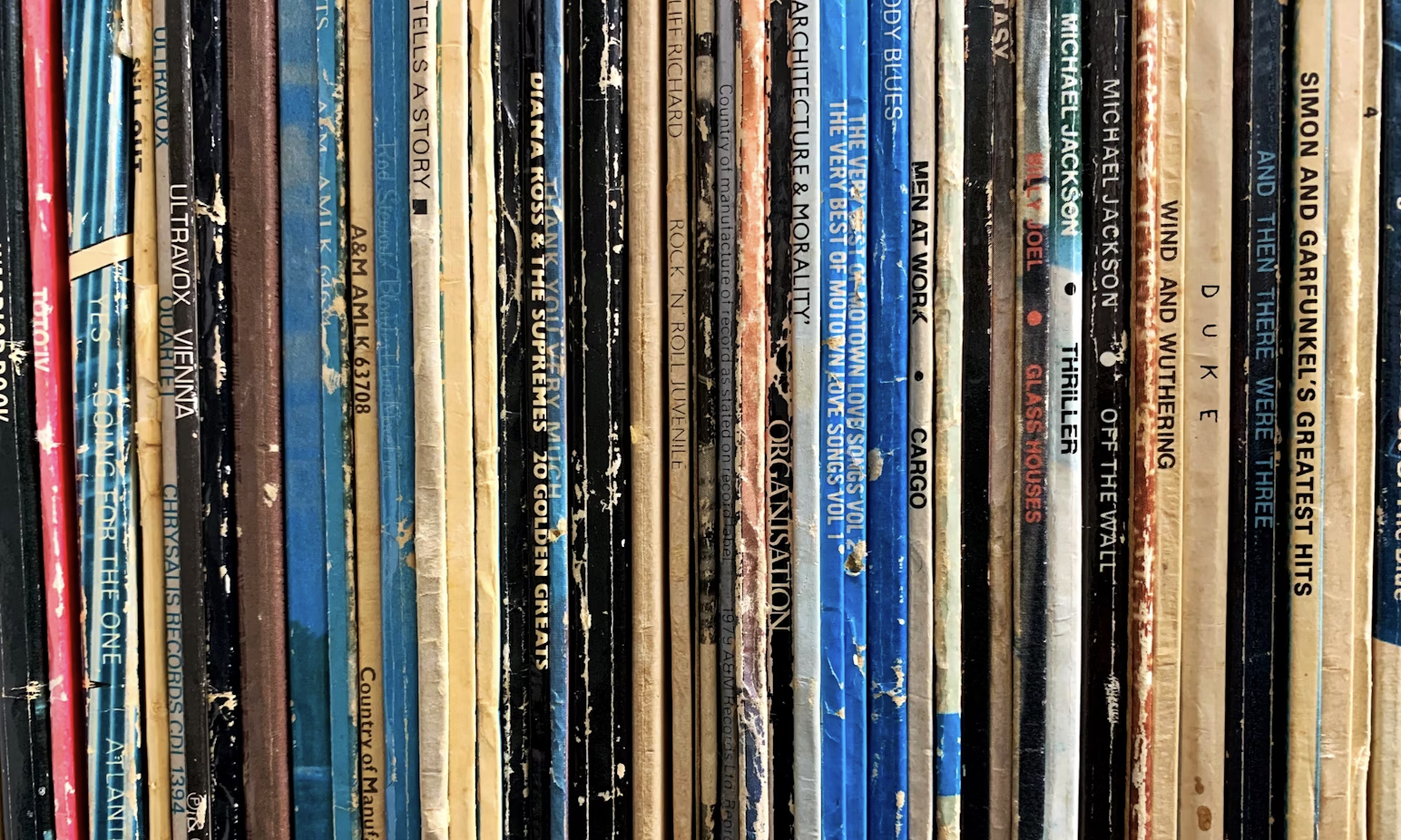
Vinyl mastering is a uniquely challenging and highly specialized form of audio engineering that goes far beyond the digital mastering process. While digital mastering prepares a file for an algorithm, vinyl mastering is a physical craft that translates audio into a form that can be physically etched onto a disc.
The uniqueness of vinyl mastering comes from several key factors:
The Physical Medium
Vinyl records are a mechanical medium, not a digital one. The sound is encoded in the physical wiggles of a groove, which are then read by a stylus. This physical limitation means a master must be handled with extreme care to avoid issues like skipping, distortion, and groove damage. The amount of music that can fit on a side is directly impacted by the loudness and frequency content of the audio—the louder and bassier the music, the wider the groove, and the less playing time available.
The RIAA Equalization Curve
This is one of the most unique aspects of vinyl mastering. During the cutting process, a standardized EQ curve is applied to the audio, which dramatically reduces the low frequencies and boosts the high frequencies. This allows the grooves to be cut smaller, fitting more music on the record and reducing noise. The listener's turntable then applies the inverse of this curve during playback, restoring the original frequency balance. A mastering engineer must understand this complex system to prepare a master that will sound correct after this process.
Frequency & Stereo Limitations
Unlike digital audio, vinyl is highly sensitive to certain frequencies and stereo information.
Low Frequencies: Excessive or out-of-phase low-end stereo information can cause the cutting stylus to jump erratically, potentially causing a skip on playback. Mastering engineers will often sum the low bass frequencies to mono to create a more stable groove.
High Frequencies: Extreme high-frequency content and sibilance (the "s" and "sh" sounds in vocals) can cause distortion on a vinyl record. Mastering for vinyl requires careful de-essing and a subtle roll-off of the highest frequencies to prevent these issues.
No Loudness War
The physical limitations of the medium mean that heavily compressed and limited digital masters are not suitable for vinyl. A record cut from an overly loud source will sound distorted and anemic. This gives vinyl mastering a unique focus on dynamic range and punch, allowing the music to breathe in a way that is often sacrificed in modern digital mastering.
In short, vinyl mastering is a combination of engineering, physics, and art. It requires a specialized skill set to translate a mix into a format that honors the music's dynamics while respecting the inherent limitations of a groove, a stylus, and the laws of physics.
What Makes Vinyl Mastering Unique?
The core difference is that Mastering is about optimizing a track's sound for a listener, while Vinyl Mastering (or Pre-Mastering) is an additional, specific process that optimizes the audio to physically fit into a vinyl record's groove without causing playback issues.
In short, mastering for digital/CD deals with sound fidelity, while mastering for vinyl deals with physics and mechanics.
what’s the Difference Between Mastering & Vinyl MasteRing?
Vinyl mastering is a specialized craft that bridges the gap between your finished audio and the intricate physical reality of a record groove.
It's an indispensable step for anyone serious about releasing music on vinyl, ensuring that the warm, immersive, and tactile experience of the format truly comes to life for the listener.
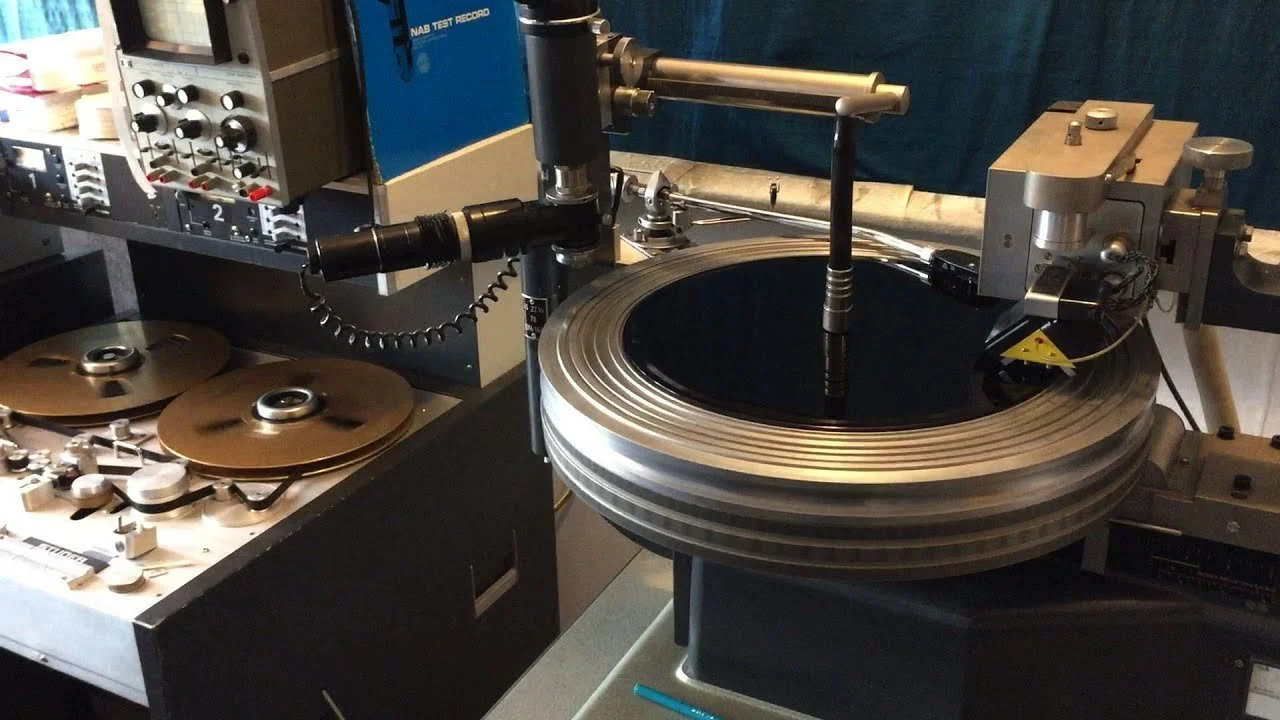
What Are the Two Stages of Mastering Music for Vinyl?
Mastering music for vinyl is a specialized process that bridges the gap between the finished digital mix and the physical constraints of the vinyl record. It is broken down into two distinct stages:
1. Audio Pre-Mastering (The Digital Optimization)
The first stage in mastering for vinyl is where the audio is digitally prepared to ensure it can be physically cut onto a groove without causing playback problems like skipping or distortion. This process is performed by a mastering engineer before the music ever touches a cutting machine/lathe.
The primary focus is on managing the audio content to respect the physics of the medium:
Dynamics & Loudness: Unlike streaming, vinyl cannot handle heavily compressed, excessively loud music. The engineer must use less limiting, resulting in a more dynamic and generally quieter master to ensure the cutting head doesn't carve a groove that is too violent for a home turntable to track.
Low-End Control (Bass): Stereo bass is problematic for vinyl, as it causes the cutting stylus to move excessively in the vertical dimension. Therefore, the engineer must electronically sum all low frequencies (typically below $100$ to $150$ Hertz) to mono (centered).
High-End & Sibilance: Extreme high frequencies and sharp "S" and "T" sounds (sibilance) are difficult to cut and can lead to distortion, especially on the inner parts of the record. The engineer carefully tames these high-frequency peaks.
Sequencing: The engineer arranges the final track order, ensuring the loudest, most dynamic songs are placed on the outer edge of the record, as audio fidelity naturally degrades toward the center.
2. Lacquer or DMM Cutting (The Physical Transfer)
The second stage is the actual physical process where the audio is transferred from the digital file onto a master disc using a specialized machine called a cutting lathe. This is performed by a cutting engineer.
This step is the first physical representation of the music and serves as the mold for all future records:
Lacquer Cutting (Traditional Method): A lathe equipped with a heated stylus cuts the audio signal into a soft, nitrocellulose-coated aluminum disc (the lacquer master). This master is delicate and is then used to create metal stampers via an electroplating process.
Direct Metal Mastering (DMM): In this alternative method, the lathe cuts the audio directly into a copper-plated metal disc, creating a more durable master.
The output of the cutting stage is the physical disc that is chemically processed into the metal stamper—the negative mold used by the pressing plant to create the final vinyl records that listeners purchase.
Why a Vinyl Master Is Important for Optimal Vinyl Sound
Vinyl mastering is not merely a transfer; it's a critical translation of your audio into a physical waveform that can be accurately etched onto lacquer, then pressed into a PVC record. This specialized process is paramount to achieving the best possible sound on vinyl for several reasons:
Physical Limitations of the Medium
Vinyl is a mechanical format. The stylus reads physical undulations in the groove. These physical limitations directly impact what frequencies and dynamic ranges can be accurately reproduced. Too much bass, harsh sibilance, or overly wide stereo information can cause the stylus to jump, distort, or literally destroy the groove.
Optimizing for Playback
A vinyl master is carefully crafted to ensure optimal playback on a wide range of turntables and cartridges. This involves balancing levels, addressing potential phase issues, and managing transients so that the stylus can track the groove smoothly and efficiently.
Preventing Distortion and Skipping
Poorly mastered vinyl can lead to inner groove distortion (IGD), sibilance distortion, and even skipping. Vinyl mastering engineers know how to mitigate these issues by making specific sonic adjustments, such as reducing extreme high-frequencies or narrowing the stereo image in the bass, particularly towards the center of the record.
Embracing the Format's Strengths
While it has limitations, vinyl also has unique sonic characteristics. A skilled vinyl mastering engineer understands how to leverage these, often enhancing the perceived warmth and depth, and ensuring the music translates beautifully to the analog domain.
Artistic Intent
The mastering engineer ensures that the artist's vision is not only preserved but enhanced for the vinyl format, delivering an emotionally engaging and physically satisfying listening experience.

Studio Edison is Ready to Take Your Music to New Heights


Vinyl Mastering FAQs
Do I need a separate master for vinyl than for digital/streaming?
Absolutely, yes. While you can start with a high-quality digital master, it should never be sent directly to a cutting engineer. A dedicated vinyl master, prepared with the specific limitations and characteristics of the format in mind, is essential for optimal sound quality.
Can any mastering engineer do vinyl mastering?
Not necessarily. While many mastering engineers are skilled, vinyl mastering requires specialized knowledge of the cutting process, the RIAA curve, groove physics, and the limitations of the format. It's best to work with an engineer who explicitly lists vinyl mastering as a service and has a portfolio of successful vinyl releases.
What is "inner groove distortion" (IGD)?
Inner groove distortion is a phenomenon where distortion becomes more noticeable as the stylus approaches the center of the record. This is because the linear velocity of the groove decreases towards the center, meaning less physical space is available to accurately represent the audio waveform. Vinyl mastering engineers often make subtle adjustments (like high-frequency rolloff or dynamic adjustments) towards the end of a side to minimize IGD.
How does playing time affect vinyl sound quality?
This is a crucial aspect. The longer the program material on a side, the less space there is for the grooves, meaning they must be cut closer together and at a lower overall level. This directly impacts loudness and dynamic range. For optimal quality, shorter sides allow for a louder, more dynamic cut. This is why many LPs split albums into 4 sides or less.
What is a "lacquer" or "dubplate"?
A lacquer is a blank aluminum disc coated with a layer of nitrocellulose. This is the material on which the cutting lathe etches the grooves to create the "master" record. From the lacquer, stampers are made to press the final vinyl records. A dubplate is a similar lacquer disc, but typically used for one-off cuts or testing purposes, not for mass production.
What is the ideal file format to send for vinyl mastering?
Always send the highest resolution, uncompressed files possible (e.g., 24-bit/48kHz or 24-bit/96kHz WAV or AIFF files). Avoid sending MP3s or files that have already been heavily limited for digital release.
Does vinyl mastering make my music sound "warmer"?
While vinyl itself has a reputation for warmth, the mastering process primarily aims for accuracy within the format's constraints. The perception of warmth often comes from the natural compression of the analog cutting process and the characteristics of playback systems, rather than explicit "warming" by the engineer. However, a good vinyl master will certainly enhance the natural sonic qualities that many associate with analog sound.
CONTACT
Interested in working with Rob Kleiner & Studio Edison to Remote Master Your Vinyl?

We’re here to help your journey. Reach out and we’ll get back to you within 24 hours.